Out of control: Covid-19, house prices, retail speculation.
New U.S. Covid-19 Cases Top 150,000 for First Time New U.S. cases and hospitalizations both set records, and intensive-care units are coming under pressure amid an intensifying, widespread surge.
-
States Order New Restrictions as Covid-19 Cases Soar
-
As Covid-19 Cases Surge, Schools Ponder Closing
-
NYC Schools to Close If Cases Keep Rising, Mayor Says


Simple maths: last 6 weeks, 97,524 Americans were hospitalized and 34,502 died due to Covid-19 per John Hopkins. This is just about the same pace, for both stats, as for the first 6 weeks of the pandemic in the U.S. (first hospitalizations were recorded on March 4). The annualized rate of deaths is 300k to add to the 234k current cumulative deaths. Last 7 days annualized: 403k. Watch the Northeast now…

And now this:
-
Our statistical estimates and temperature projections suggest that upward pressure from colder temperatures on infections in coming months could be largest in the US Midwest, relatively large in the US Northeast and Germany, somewhat more moderate in Japan, the UK, France, and Italy, and fairly modest in Spain and the US Sun Belt.
-
These findings support our view that the European and US economies are likely to slow significantly in Q4/Q1 as colder weather puts upward pressure on case growth, in turn triggering restrictions, but reaccelerate sharply in Q2/Q3 following warmer weather, the end of European lockdowns, and mass vaccination. In contrast, warmer weather should support virus control and the recovery in the Southern hemisphere in coming months. (Goldman Sachs)
Alternative Data Show Economic Activity Crashes as Virus Resurges
The latest readings suggest the decline was particularly strong in Europe. France, Italy, Germany and the U.K. have seen activity fall sharply as lockdown restrictions take effect, according to Bloomberg Economics gauges that integrate data such as mobility, energy consumption and public transport usage

Developments in the 2020 Holiday Shopping Forecast
-
46% of the population are worried about their job security these next few months, leading 58% of U.S. shoppers to express worry about their finances this holiday season.
-
72% of Americans plan to purchase fewer or no premium or luxury items this holiday season. Just 2 in 10 expect to continue buying these as much as they have in the past.


U.S. Jobless Claims Data: Initial Improves, Continuing Mixed
Seasonally adjusted state initial jobless claims for unemployment insurance fell to 709,000 in the week ending November 7 from an upwardly revised 757,000 in the previous week (was 751,000). This is the lowest level of claims since March 14. The Action Economics Forecast Survey anticipated 740,000. A change in the calculation of seasonal adjustment factors created a break in the series in late August. Though the current week-to-week comparison is valid, the comparison to before August 22 is not. For more details, please see the September 3 commentary on jobless claims.
The not seasonally adjusted data, which is comparable across all periods for initial claims declined to 723,105 in the week ending November 7 from an upwardly revised 743,904 (was 738,709). Haver Analytics has calculated methodologically-consistent seasonally adjusted data which matches the Department of Labor seasonally adjusted data since the late-August break. Both the not seasonally adjusted and Haver seasonally adjusted series are also at their lowest level since March 14.
Claims for the federal Pandemic Unemployment Assistance (PUA) program, which covers individuals such as the self-employed who are not qualified for regular/state unemployment insurance, dropped to 298,154, This is the lowest since April 18. (…)
Seasonally adjusted state continuing claims for unemployment insurance fell to 6.786 million in the week ending October 31, from 7.222 million. Haver Analytics methodologically-consistent seasonally adjusted continuing claims showed the same readings for those weeks and finds the October 31 number is the lowest level of continuing claims since late March. Not seasonally adjusted continuing claims dropped to 6.486 from 6.888 million, also the lowest since late March.
Continuing PUA claims, which are lagged an additional week and not seasonally adjusted, increased to 9.433 million from 9.333 million. Meanwhile, Pandemic Emergency Unemployment Compensation claims continued their upward climb to a new high of 4.143 million in the week ending October 24. This program covers people who were unemployed before COVID but exhausted their state benefits and are now eligible to receive an additional 13 weeks of unemployment insurance, up to a total of 39 weeks.
The seasonally adjusted state insured rate of unemployment declined to 4.6% in the week ending October 31 from 4.9%. The not-seasonally-adjusted data decreased to 4.4% from 4.7%, the lowest since late March. This data does not include the federal pandemic assistance programs. If you include the latest data available, which is lagged one additional week, the total number of state, PUA and PEUC continuing claims edged down to 20.1 million or 12.5% of the labor force. This is the lowest since late April.

U.S. Consumer Price Index & Core Prices Hold Steady During October

Pandemic Boosts Home Prices Everywhere in the U.S. Home prices rose in every corner of the U.S. during the third quarter, as the pandemic boosted activity in a way not seen in recent history.
(…) In nearly two-thirds of the metro areas tracked by NAR, prices posted double-digit gains. (…) Nationwide, the median single-family home price rose 12% from a year earlier to $313,500, NAR said. (…)
Low mortgage rates have offset some of the effect of rising home prices for buyers. For the week ended Thursday, the average rate on a 30-year fixed rate mortgage was 2.84%, up from 2.78% last week but down from 3.75% a year earlier, said Freddie Mac. (…)
Stock Funds Get Record $44.5 Billion Inflows on Vaccine Optimism

Investors Flock to SPACs, Where Risks Lurk Startups in buzzy sectors such as electric vehicles and online gambling are going public using a structure that offers outsize potential rewards to backers while bypassing some safeguards of a traditional IPO.
(…) SPACs—also called blank-check companies—have announced 71 deals with target companies this year, making 2020 the busiest year so far for the process, according to data provider SPACInsider. In at least 15 of those deals, the targets had no revenue last year, filings show. (…)
SPACs have a poor record of delivering returns. Of 107 that have gone public since 2015 and executed deals, the average return on their common stock has been a loss of 1.4%, according to Renaissance Capital, a research and investment-management firm. During the same period, the average return of companies that went public via IPOs was 49%, the firm says.
Newer SPACs have fared much better. The average return on SPAC deals in 2020 has been 17%, Renaissance Capital says. Much of that is because of a few outperformers, such as sports-betting operator DraftKings Inc., whose stock has nearly quadrupled this year, and Nikola, which is up 90% year-to-date despite the fraud allegations. (…)
Until recently, the sponsor promote was ubiquitous in SPACs. Analysts and academics say it can encourage SPACs to do bad deals, by rewarding their teams even if the company’s shares slump after a deal closes. Amid such criticism, a few newer SPACs are tying their founders’ payoffs to the performance of the company’s stock in the years after the merger.
“SPAC founders are very incentivized to do a deal,” said Matt Kennedy, a senior strategist at Renaissance Capital. “Investors shouldn’t rely on their due diligence.” (…)
South Korea Sounds Alarm on Stock Market Bubble Amid Retail Boom
(…) The Kospi benchmark equity gauge is up 13% this year, surging more than 70% from its March low, with local retail traders pouring record amounts into the $1.8 trillion stock market. Now accounting for about 65% of total daily Kospi trading value, this host of millennial investors has shown a penchant for risky trades including microcaps and preferred stock, which generally pay higher dividends than common shares but lack the latter’s voting rights. (…)
“Retail investors who joined the stock market this year seem to have very shallow knowledge of finance. If interest rates remain low like now, this kind of irrational pricing could distort the entire stock market.”

 Data:
Data: 

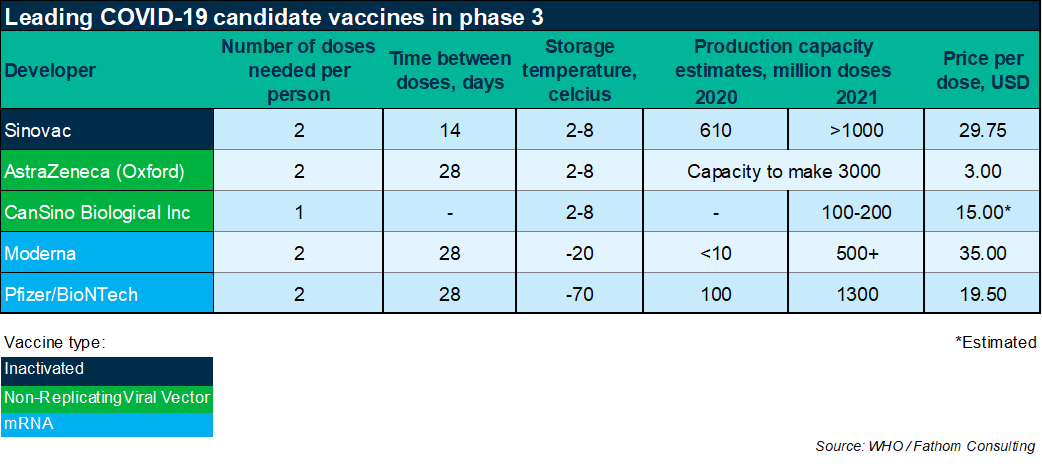

 One important tailwind through next year will be the substantial amount of savings that households have built up in developed markets since March. In the US, for example, aggregate personal savings over the past twelve months were $1.3 trillion higher in September than they were in February. If effective vaccines are rolled out, it appears probable that much of those savings will be unwound, with spending likely to be particularly strong in badly hit services sectors such as hospitality and tourism. Improved confidence about future demand should boost business confidence now, and business investment should react ahead of widespread vaccinations. (…) (Fathom Consuling)


